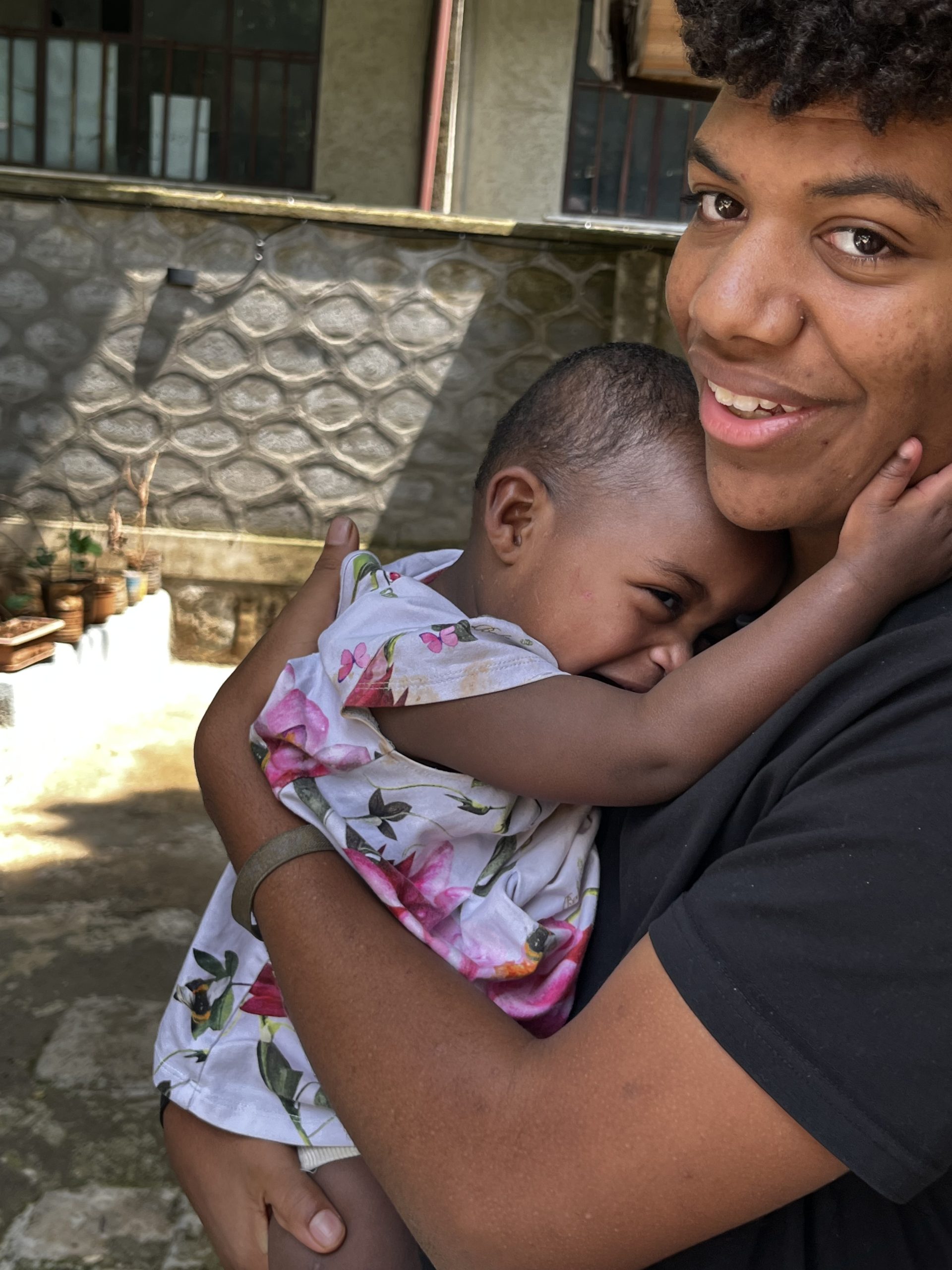
Gihon of Hope’s Emmanuel Children’s Home model is unique in three specific ways and intentionally designed to move beyond traditional institutional care by creating a family-based, restorative environment rather than a system-centered one.
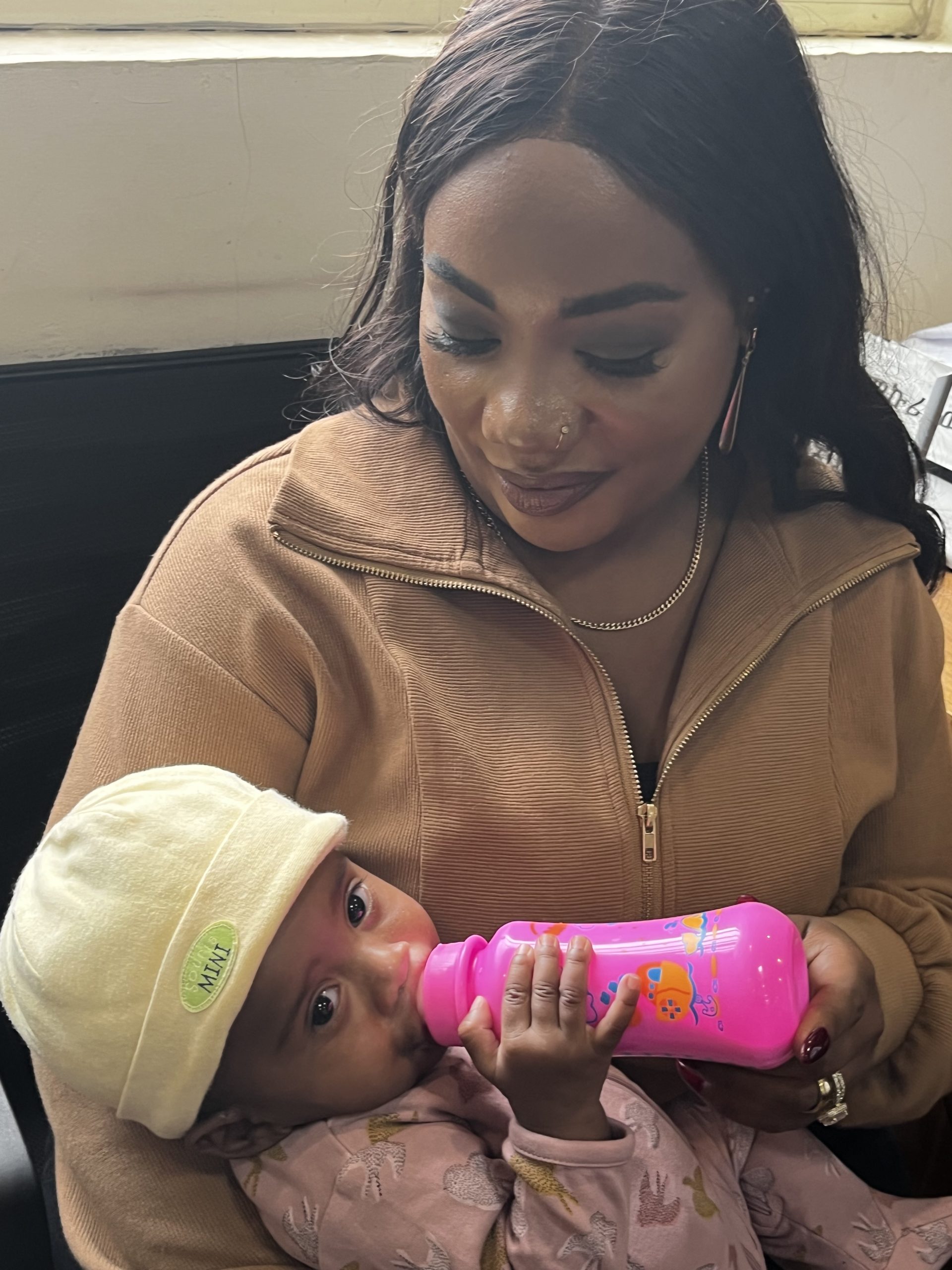
First, unlike orphanages, which often operate with high child-to-caregiver ratios and limited relational attachment, our model places children within a home aided by 2–3 vulnerable women, many of whom may have their own children, who are empowered through education, childcare training, health support, and income-generating opportunities. This transforms the home into a place of mutual restoration rather than one-directional care.
Second unlike foster care, which typically isolates children into individual households without a broader support structure, our model builds a shared family ecosystem specifically because they will be supported by a dedicated overseeing couple who function as consistent parental figures, providing guidance, wisdom, and stability to both caregivers and children.
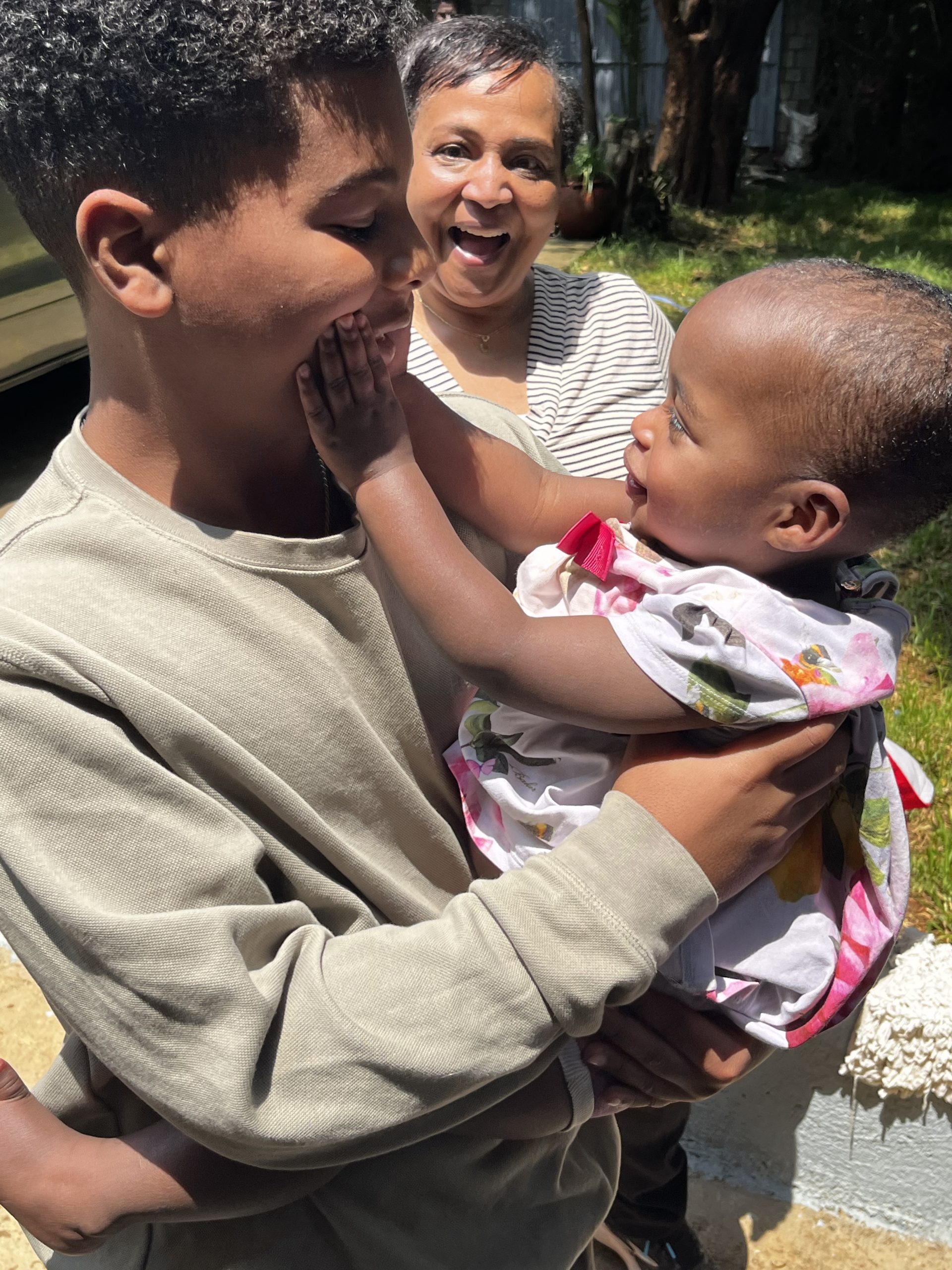
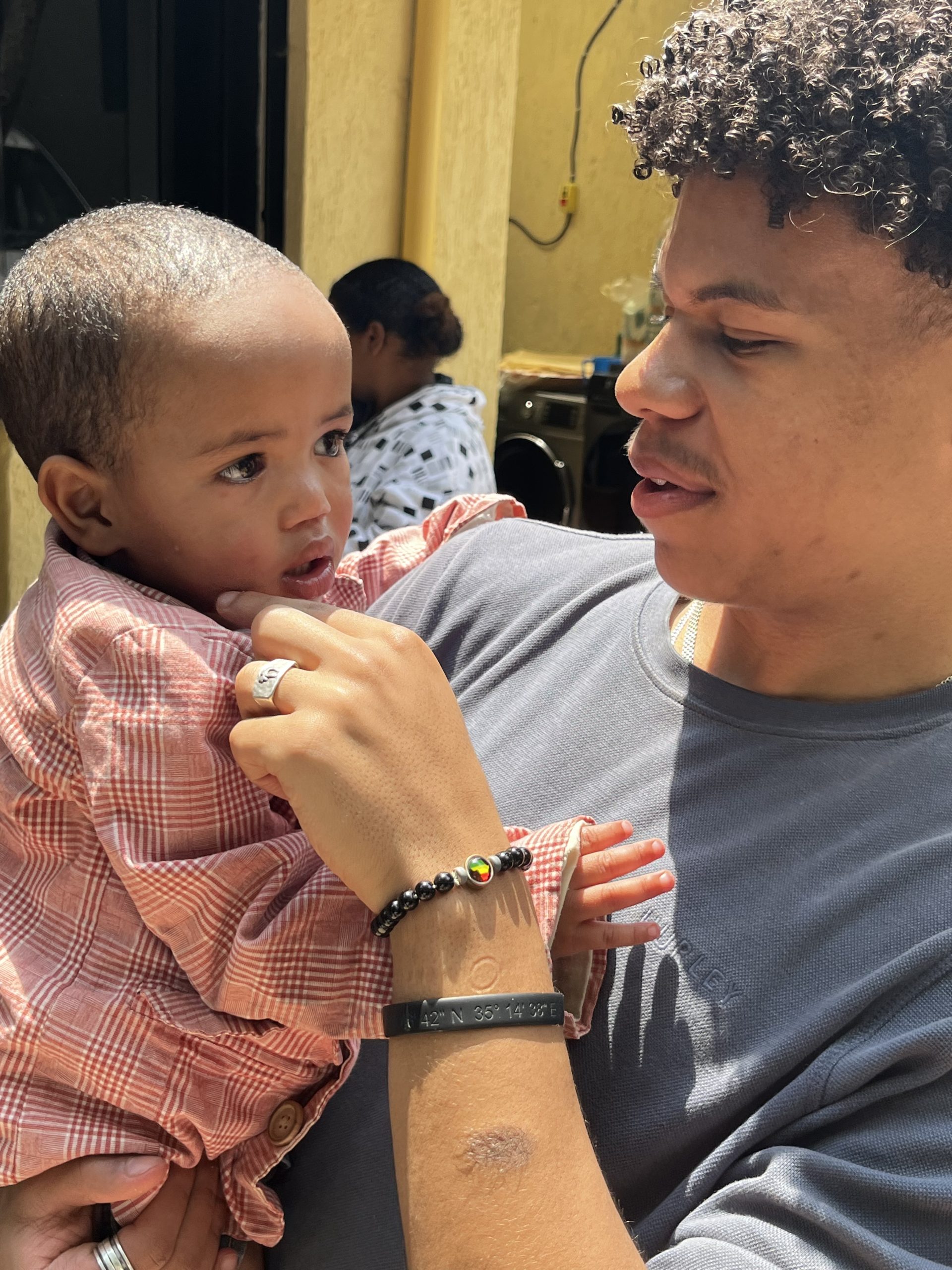
Third, unlike group homes that can feel institutional and shift-based, Gihon of Hope cultivates a deeply relational, consistent, and nurturing environment where children experience continuous maternal and fatherly love. Through this integrated approach, we are not only caring for children but restoring families, empowering women, and establishing a holistic, sustainable community of belonging.